
Icon

Blog Details

The Spiritual Code of Sacrifice

Feb 28, 2026

By

Nkasafari

Icon

Blog Details

The Spiritual Code of Sacrifice

Feb 28, 2026

By

Nkasafari

Icon

Blog Details

The Spiritual Code of Sacrifice

Feb 28, 2026

By

Nkasafari

I explain the historical and spiritual necessity of animal sacrifice, using the biblical figure of Job as a reference to justify these practices within an African context

0:00
0:00
Addressing the Student’s Inquiry

I am responding to a student's question regarding the practice of sacrifice and slaughtering animals. There seems to be a confusion or perhaps a judgment concerning these rituals, especially when compared to the "blue-eyed" figure (Jesus) who is often cited as the ultimate sacrifice. I want to clarify that the concept of sacrifice is a deep-rooted spiritual "code" that precedes modern religious interpretations.


The Code of Isaac and the Lamb

I reminded the class of the lesson I gave recently regarding Isaac. When he was about to be offered as a sacrifice, he was told to look behind him, where a ram was provided. This is "Code Number One" and "Code Number Two": the Lamb of God who takes away the sins of the world is a symbolic representation, but it points back to a physical act of substitution sacrifice.

The Example of Job (Ayubu)

I urge you to look at "Code Number Three" in the Book of Job. Every year, Job would go up to the mountain to offer sacrifices to the Lord. He didn't just pray; he slaughtered bulls and sheep. He did this specifically to sanctify his sons and daughters, saying, "It may be that my children have sinned against God". This was a proactive ritual for purification and protection.


Hypocrisy in Modern Criticism

I find it interesting that people, specifically our "Mizuli" (Westernized or religious) brothers slaughter animals every year without being questioned, yet when an African speaks of slaughtering for ritual purposes, it becomes an issue. If you see an African discussing sacrifice, you suddenly have many questions, yet your own holy books are filled with the same blood-based atonement.


The Purpose of Slaughtering

The act of slaughtering bulls and sheep, as Job did, was for the purpose of self-purification. It is about cleansing oneself and one's family from sin and spiritual impurity. This is not "voodoo" or something to be feared; it is a documented spiritual practice used to maintain a clean standing before the Divine.


My Departure to the Mountain

As for me, I am heading to the mountain this September, which marks the beginning of the African New Year. While others continue to "eat the body and blood" of a certain man in their religious ceremonies, I will be engaging in the authentic traditions of our ancestors. It is time to stop being foolish and understand the power of our own rituals.

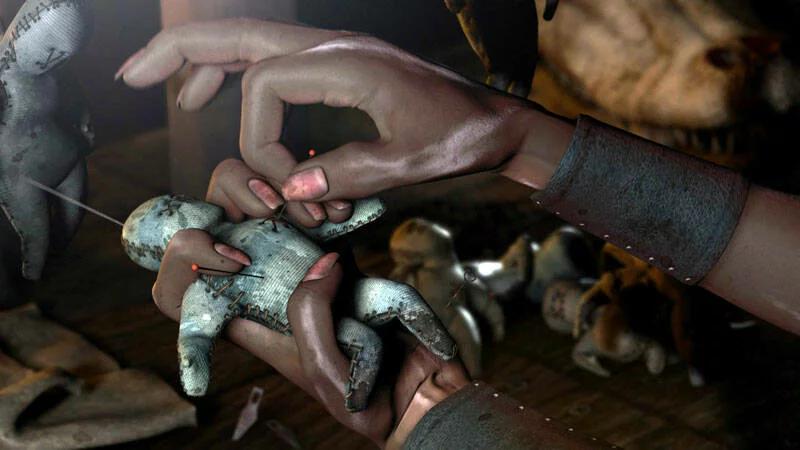
I explain the historical and spiritual necessity of animal sacrifice, using the biblical figure of Job as a reference to justify these practices within an African context

0:00
0:00
Addressing the Student’s Inquiry

I am responding to a student's question regarding the practice of sacrifice and slaughtering animals. There seems to be a confusion or perhaps a judgment concerning these rituals, especially when compared to the "blue-eyed" figure (Jesus) who is often cited as the ultimate sacrifice. I want to clarify that the concept of sacrifice is a deep-rooted spiritual "code" that precedes modern religious interpretations.


The Code of Isaac and the Lamb

I reminded the class of the lesson I gave recently regarding Isaac. When he was about to be offered as a sacrifice, he was told to look behind him, where a ram was provided. This is "Code Number One" and "Code Number Two": the Lamb of God who takes away the sins of the world is a symbolic representation, but it points back to a physical act of substitution sacrifice.

The Example of Job (Ayubu)

I urge you to look at "Code Number Three" in the Book of Job. Every year, Job would go up to the mountain to offer sacrifices to the Lord. He didn't just pray; he slaughtered bulls and sheep. He did this specifically to sanctify his sons and daughters, saying, "It may be that my children have sinned against God". This was a proactive ritual for purification and protection.


Hypocrisy in Modern Criticism

I find it interesting that people, specifically our "Mizuli" (Westernized or religious) brothers slaughter animals every year without being questioned, yet when an African speaks of slaughtering for ritual purposes, it becomes an issue. If you see an African discussing sacrifice, you suddenly have many questions, yet your own holy books are filled with the same blood-based atonement.


The Purpose of Slaughtering

The act of slaughtering bulls and sheep, as Job did, was for the purpose of self-purification. It is about cleansing oneself and one's family from sin and spiritual impurity. This is not "voodoo" or something to be feared; it is a documented spiritual practice used to maintain a clean standing before the Divine.


My Departure to the Mountain

As for me, I am heading to the mountain this September, which marks the beginning of the African New Year. While others continue to "eat the body and blood" of a certain man in their religious ceremonies, I will be engaging in the authentic traditions of our ancestors. It is time to stop being foolish and understand the power of our own rituals.

I explain the historical and spiritual necessity of animal sacrifice, using the biblical figure of Job as a reference to justify these practices within an African context

0:00
0:00
Addressing the Student’s Inquiry

I am responding to a student's question regarding the practice of sacrifice and slaughtering animals. There seems to be a confusion or perhaps a judgment concerning these rituals, especially when compared to the "blue-eyed" figure (Jesus) who is often cited as the ultimate sacrifice. I want to clarify that the concept of sacrifice is a deep-rooted spiritual "code" that precedes modern religious interpretations.


The Code of Isaac and the Lamb

I reminded the class of the lesson I gave recently regarding Isaac. When he was about to be offered as a sacrifice, he was told to look behind him, where a ram was provided. This is "Code Number One" and "Code Number Two": the Lamb of God who takes away the sins of the world is a symbolic representation, but it points back to a physical act of substitution sacrifice.

The Example of Job (Ayubu)

I urge you to look at "Code Number Three" in the Book of Job. Every year, Job would go up to the mountain to offer sacrifices to the Lord. He didn't just pray; he slaughtered bulls and sheep. He did this specifically to sanctify his sons and daughters, saying, "It may be that my children have sinned against God". This was a proactive ritual for purification and protection.


Hypocrisy in Modern Criticism

I find it interesting that people, specifically our "Mizuli" (Westernized or religious) brothers slaughter animals every year without being questioned, yet when an African speaks of slaughtering for ritual purposes, it becomes an issue. If you see an African discussing sacrifice, you suddenly have many questions, yet your own holy books are filled with the same blood-based atonement.


The Purpose of Slaughtering

The act of slaughtering bulls and sheep, as Job did, was for the purpose of self-purification. It is about cleansing oneself and one's family from sin and spiritual impurity. This is not "voodoo" or something to be feared; it is a documented spiritual practice used to maintain a clean standing before the Divine.


My Departure to the Mountain

As for me, I am heading to the mountain this September, which marks the beginning of the African New Year. While others continue to "eat the body and blood" of a certain man in their religious ceremonies, I will be engaging in the authentic traditions of our ancestors. It is time to stop being foolish and understand the power of our own rituals.

Related Blogs

Related Blogs

Footer Logo
Subscribe to our Channel!

Get the latest updates to upcoming lessons, jewelry and flower catalogs.

Follow us

All Rights Reserved.

© 2026

Footer Logo
Subscribe to our Channel!

Get the latest updates to upcoming lessons, jewelry and flower catalogs.

Follow us

All Rights Reserved.

© 2026

Footer Logo
Subscribe to our Channel!

Get the latest updates to upcoming lessons, jewelry and flower catalogs.

Follow us

All Rights Reserved.

© 2026