
Icon

Blog Details

Ancestral Cleansing and the Debt of the Forefathers

Jan 30, 2026

By

Nkasafari

Icon

Blog Details

Ancestral Cleansing and the Debt of the Forefathers

Jan 30, 2026

By

Nkasafari

Icon

Blog Details

Ancestral Cleansing and the Debt of the Forefathers

Jan 30, 2026

By

Nkasafari

I discuss the importance of traditional cleansing rituals (matambiko), using the biblical story of Job as an example of sanctifying one's lineage to remove sin. I warn against human sacrifice for quick wealth and emphasize the necessity of performing rites for deceased ancestors to prevent generational curses.

0:00
0:00
The Example of Job's Sacrifice.

I often quote the "Book of Codes" because it is beneficial for new students. I want to remind you of Ayubu (Job), who offered sacrifices of sheep and oxen every year to sanctify his sons and daughters. He did this saying, "Perhaps my children have sinned against God," and sought to cleanse them. The elders have taught me that in this context, the oxen represented the men and the sheep represented the women.


Rejection of Human Sacrifice.

We must look at the story of Isaac, where people mistakenly think a human was to be sacrificed for wealth. I strongly warn against the desire for quick riches that leads people to offer human sacrifices; this is a path that leads to destruction. In the true story, a ram was provided. God has never asked for a human sacrifice, and you must understand that the intended sacrifice was a sheep, reminding us of the proper way to conduct these matters.

Settling Ancestral Debts.

You need to move slowly and focus on paying the debts of your parents and ancestors. Even if they have already passed away, if they died with sins, those sins must be cleansed. By sanctifying them even in death you ensure that the bad omens or "sins" do not remain to haunt the current generation. This is about removing the spiritual burden left behind by those who came before us.


Discernment in Rituals.

It is your duty as a student to learn how to separate the wheat from the chaff. You must have certainty in what you are doing so you do not rush into making mistakes. If you fail to understand the difference between truth and lies in these rituals, you will end up wasting resources and regretting the costs when problems inevitably arise because you did not follow the proper protocol.


The Necessity of Funeral Rites.

In our traditions, such as in Uchagani, when a man dies, there must be a celebration or ritual involving the slaughtering of a bull one year later to cleanse him. This allows him to unite with his family in the spiritual realm the 144,000 saints from every tribe and nation. If these rituals are not done, the "Book of Codes" tells us it is "useless vanity" to die without proper funeral rites; it is like being buried like a dog.


The Colonial Disconnection.

The colonialists intentionally stopped these cleansing rituals because they wanted to cut us off from the spiritual world. They knew that if we did not cleanse our dead, we could not connect with our ancestors or the stars. You must know your debts and cleanse your lineage so that the curses of the forefathers do not fall upon your grandchildren.

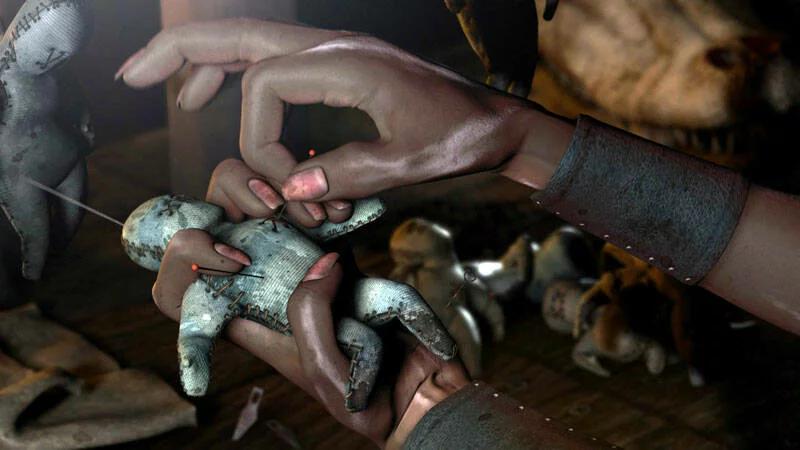
I discuss the importance of traditional cleansing rituals (matambiko), using the biblical story of Job as an example of sanctifying one's lineage to remove sin. I warn against human sacrifice for quick wealth and emphasize the necessity of performing rites for deceased ancestors to prevent generational curses.

0:00
0:00
The Example of Job's Sacrifice.

I often quote the "Book of Codes" because it is beneficial for new students. I want to remind you of Ayubu (Job), who offered sacrifices of sheep and oxen every year to sanctify his sons and daughters. He did this saying, "Perhaps my children have sinned against God," and sought to cleanse them. The elders have taught me that in this context, the oxen represented the men and the sheep represented the women.


Rejection of Human Sacrifice.

We must look at the story of Isaac, where people mistakenly think a human was to be sacrificed for wealth. I strongly warn against the desire for quick riches that leads people to offer human sacrifices; this is a path that leads to destruction. In the true story, a ram was provided. God has never asked for a human sacrifice, and you must understand that the intended sacrifice was a sheep, reminding us of the proper way to conduct these matters.

Settling Ancestral Debts.

You need to move slowly and focus on paying the debts of your parents and ancestors. Even if they have already passed away, if they died with sins, those sins must be cleansed. By sanctifying them even in death you ensure that the bad omens or "sins" do not remain to haunt the current generation. This is about removing the spiritual burden left behind by those who came before us.


Discernment in Rituals.

It is your duty as a student to learn how to separate the wheat from the chaff. You must have certainty in what you are doing so you do not rush into making mistakes. If you fail to understand the difference between truth and lies in these rituals, you will end up wasting resources and regretting the costs when problems inevitably arise because you did not follow the proper protocol.


The Necessity of Funeral Rites.

In our traditions, such as in Uchagani, when a man dies, there must be a celebration or ritual involving the slaughtering of a bull one year later to cleanse him. This allows him to unite with his family in the spiritual realm the 144,000 saints from every tribe and nation. If these rituals are not done, the "Book of Codes" tells us it is "useless vanity" to die without proper funeral rites; it is like being buried like a dog.


The Colonial Disconnection.

The colonialists intentionally stopped these cleansing rituals because they wanted to cut us off from the spiritual world. They knew that if we did not cleanse our dead, we could not connect with our ancestors or the stars. You must know your debts and cleanse your lineage so that the curses of the forefathers do not fall upon your grandchildren.

I discuss the importance of traditional cleansing rituals (matambiko), using the biblical story of Job as an example of sanctifying one's lineage to remove sin. I warn against human sacrifice for quick wealth and emphasize the necessity of performing rites for deceased ancestors to prevent generational curses.

0:00
0:00
The Example of Job's Sacrifice.

I often quote the "Book of Codes" because it is beneficial for new students. I want to remind you of Ayubu (Job), who offered sacrifices of sheep and oxen every year to sanctify his sons and daughters. He did this saying, "Perhaps my children have sinned against God," and sought to cleanse them. The elders have taught me that in this context, the oxen represented the men and the sheep represented the women.


Rejection of Human Sacrifice.

We must look at the story of Isaac, where people mistakenly think a human was to be sacrificed for wealth. I strongly warn against the desire for quick riches that leads people to offer human sacrifices; this is a path that leads to destruction. In the true story, a ram was provided. God has never asked for a human sacrifice, and you must understand that the intended sacrifice was a sheep, reminding us of the proper way to conduct these matters.

Settling Ancestral Debts.

You need to move slowly and focus on paying the debts of your parents and ancestors. Even if they have already passed away, if they died with sins, those sins must be cleansed. By sanctifying them even in death you ensure that the bad omens or "sins" do not remain to haunt the current generation. This is about removing the spiritual burden left behind by those who came before us.


Discernment in Rituals.

It is your duty as a student to learn how to separate the wheat from the chaff. You must have certainty in what you are doing so you do not rush into making mistakes. If you fail to understand the difference between truth and lies in these rituals, you will end up wasting resources and regretting the costs when problems inevitably arise because you did not follow the proper protocol.


The Necessity of Funeral Rites.

In our traditions, such as in Uchagani, when a man dies, there must be a celebration or ritual involving the slaughtering of a bull one year later to cleanse him. This allows him to unite with his family in the spiritual realm the 144,000 saints from every tribe and nation. If these rituals are not done, the "Book of Codes" tells us it is "useless vanity" to die without proper funeral rites; it is like being buried like a dog.


The Colonial Disconnection.

The colonialists intentionally stopped these cleansing rituals because they wanted to cut us off from the spiritual world. They knew that if we did not cleanse our dead, we could not connect with our ancestors or the stars. You must know your debts and cleanse your lineage so that the curses of the forefathers do not fall upon your grandchildren.

Related Blogs

Related Blogs

Footer Logo
Subscribe to our Channel!

Get the latest updates to upcoming lessons, jewelry and flower catalogs.

Follow us

All Rights Reserved.

© 2026

Footer Logo
Subscribe to our Channel!

Get the latest updates to upcoming lessons, jewelry and flower catalogs.

Follow us

All Rights Reserved.

© 2026

Footer Logo
Subscribe to our Channel!

Get the latest updates to upcoming lessons, jewelry and flower catalogs.

Follow us

All Rights Reserved.

© 2026