
Icon

Blog Details

The Geography of Sacrifice

Apr 12, 2026

By

Nkasafari

Icon

Blog Details

The Geography of Sacrifice

Apr 12, 2026

By

Nkasafari

Icon

Blog Details

The Geography of Sacrifice

Apr 12, 2026

By

Nkasafari

I explain how the Creator, Rua Mangi, distributed different resources across various regions and tribes, requiring us to offer sacrifices based on our specific geographical and ancestral heritage.

0:00
0:00
The Divine Distribution of Resources

I begin by explaining how Rua Mangi (God) organized the world with intentional diversity. I point out that every location has its unique blessing and its unique lack; for instance, Singida has drought but is rich in gold, while Kilimanjaro has fertile soil but lacks other minerals. Even globally, I look at Japan, which lacks livestock but leads the world in fishing and technology. This distribution is purposeful to ensure we depend on our specific environments.


The Era of Social Prosperity

We are currently in an era of social prosperity where technology, specifically the influence of Uranus being "on duty," allows us to exchange trade and ideas easily via our phones. I believe this connectivity is a tool to help us harmonize our communal growth. However, this exchange should not lead us to lose our individual tribal identities when it comes to spiritual matters.

Understanding Your Sacrificial Map

In the matter of Matambiko (rituals/offerings), I stress that you must offer what Rua Mangi gave you based on your geographical location. You should not covet or imitate the sacrifices of the Maasai if you are not from their land. Your "Map of Geography" dictates what is acceptable at your altar; what is a blessing in one region is the standard for sacrifice in that same region.


The Chaga Tradition of Offerings

Using the Chaga people as an example, I explain that since they were gifted with fertile land for bananas, their rituals revolve around this crop. We use bananas to make mbege (traditional brew) for Rua Mangi and prepare specific foods like mtori. Even the banana leaves are utilized to feed the livestock. We give back to the Creator from the very abundance He placed in our hands.


The Role of Spiritual Doctors

I reference the "Book of Codes" to ask why the health of my "daughters" (the community) is failing when there are healers in places like Moshi, Singida, and Maasailand. I argue that priests and traditional doctors must stand in their designated positions to care for their people. If those with the spiritual "star" or calling—especially those in the 6th or 12th houses—fail to perform their duties, the community suffers.


The Responsibility of the Last Born

I conclude by touching on the spiritual significance of the last-born child, noting that in Chaga tradition, the last-born often stays to guard the family homestead (boma). I find it disappointing when those living in the city lose touch with these roots. I criticize those who claim a spiritual heritage but are too afraid or "soft" to perform basic traditional tasks, like slaughtering a chicken for a ritual.

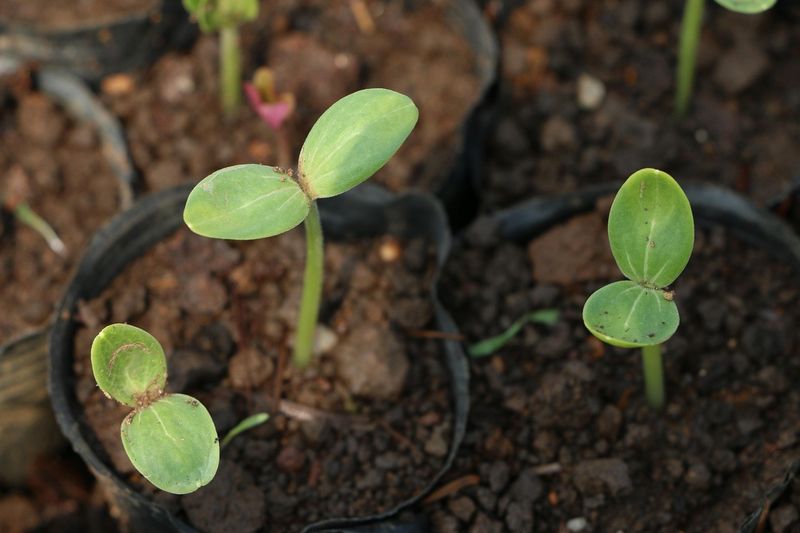
I explain how the Creator, Rua Mangi, distributed different resources across various regions and tribes, requiring us to offer sacrifices based on our specific geographical and ancestral heritage.

0:00
0:00
The Divine Distribution of Resources

I begin by explaining how Rua Mangi (God) organized the world with intentional diversity. I point out that every location has its unique blessing and its unique lack; for instance, Singida has drought but is rich in gold, while Kilimanjaro has fertile soil but lacks other minerals. Even globally, I look at Japan, which lacks livestock but leads the world in fishing and technology. This distribution is purposeful to ensure we depend on our specific environments.


The Era of Social Prosperity

We are currently in an era of social prosperity where technology, specifically the influence of Uranus being "on duty," allows us to exchange trade and ideas easily via our phones. I believe this connectivity is a tool to help us harmonize our communal growth. However, this exchange should not lead us to lose our individual tribal identities when it comes to spiritual matters.

Understanding Your Sacrificial Map

In the matter of Matambiko (rituals/offerings), I stress that you must offer what Rua Mangi gave you based on your geographical location. You should not covet or imitate the sacrifices of the Maasai if you are not from their land. Your "Map of Geography" dictates what is acceptable at your altar; what is a blessing in one region is the standard for sacrifice in that same region.


The Chaga Tradition of Offerings

Using the Chaga people as an example, I explain that since they were gifted with fertile land for bananas, their rituals revolve around this crop. We use bananas to make mbege (traditional brew) for Rua Mangi and prepare specific foods like mtori. Even the banana leaves are utilized to feed the livestock. We give back to the Creator from the very abundance He placed in our hands.


The Role of Spiritual Doctors

I reference the "Book of Codes" to ask why the health of my "daughters" (the community) is failing when there are healers in places like Moshi, Singida, and Maasailand. I argue that priests and traditional doctors must stand in their designated positions to care for their people. If those with the spiritual "star" or calling—especially those in the 6th or 12th houses—fail to perform their duties, the community suffers.


The Responsibility of the Last Born

I conclude by touching on the spiritual significance of the last-born child, noting that in Chaga tradition, the last-born often stays to guard the family homestead (boma). I find it disappointing when those living in the city lose touch with these roots. I criticize those who claim a spiritual heritage but are too afraid or "soft" to perform basic traditional tasks, like slaughtering a chicken for a ritual.
I explain how the Creator, Rua Mangi, distributed different resources across various regions and tribes, requiring us to offer sacrifices based on our specific geographical and ancestral heritage.

0:00
0:00
The Divine Distribution of Resources

I begin by explaining how Rua Mangi (God) organized the world with intentional diversity. I point out that every location has its unique blessing and its unique lack; for instance, Singida has drought but is rich in gold, while Kilimanjaro has fertile soil but lacks other minerals. Even globally, I look at Japan, which lacks livestock but leads the world in fishing and technology. This distribution is purposeful to ensure we depend on our specific environments.


The Era of Social Prosperity

We are currently in an era of social prosperity where technology, specifically the influence of Uranus being "on duty," allows us to exchange trade and ideas easily via our phones. I believe this connectivity is a tool to help us harmonize our communal growth. However, this exchange should not lead us to lose our individual tribal identities when it comes to spiritual matters.

Understanding Your Sacrificial Map

In the matter of Matambiko (rituals/offerings), I stress that you must offer what Rua Mangi gave you based on your geographical location. You should not covet or imitate the sacrifices of the Maasai if you are not from their land. Your "Map of Geography" dictates what is acceptable at your altar; what is a blessing in one region is the standard for sacrifice in that same region.


The Chaga Tradition of Offerings

Using the Chaga people as an example, I explain that since they were gifted with fertile land for bananas, their rituals revolve around this crop. We use bananas to make mbege (traditional brew) for Rua Mangi and prepare specific foods like mtori. Even the banana leaves are utilized to feed the livestock. We give back to the Creator from the very abundance He placed in our hands.


The Role of Spiritual Doctors

I reference the "Book of Codes" to ask why the health of my "daughters" (the community) is failing when there are healers in places like Moshi, Singida, and Maasailand. I argue that priests and traditional doctors must stand in their designated positions to care for their people. If those with the spiritual "star" or calling—especially those in the 6th or 12th houses—fail to perform their duties, the community suffers.


The Responsibility of the Last Born

I conclude by touching on the spiritual significance of the last-born child, noting that in Chaga tradition, the last-born often stays to guard the family homestead (boma). I find it disappointing when those living in the city lose touch with these roots. I criticize those who claim a spiritual heritage but are too afraid or "soft" to perform basic traditional tasks, like slaughtering a chicken for a ritual.

Related Blogs

Related Blogs

Footer Logo
Subscribe to our Channel!

Get the latest updates to upcoming lessons, jewelry and flower catalogs.

Follow us

All Rights Reserved.

© 2026

Footer Logo
Subscribe to our Channel!

Get the latest updates to upcoming lessons, jewelry and flower catalogs.

Follow us

All Rights Reserved.

© 2026

Footer Logo
Subscribe to our Channel!

Get the latest updates to upcoming lessons, jewelry and flower catalogs.

Follow us

All Rights Reserved.

© 2026